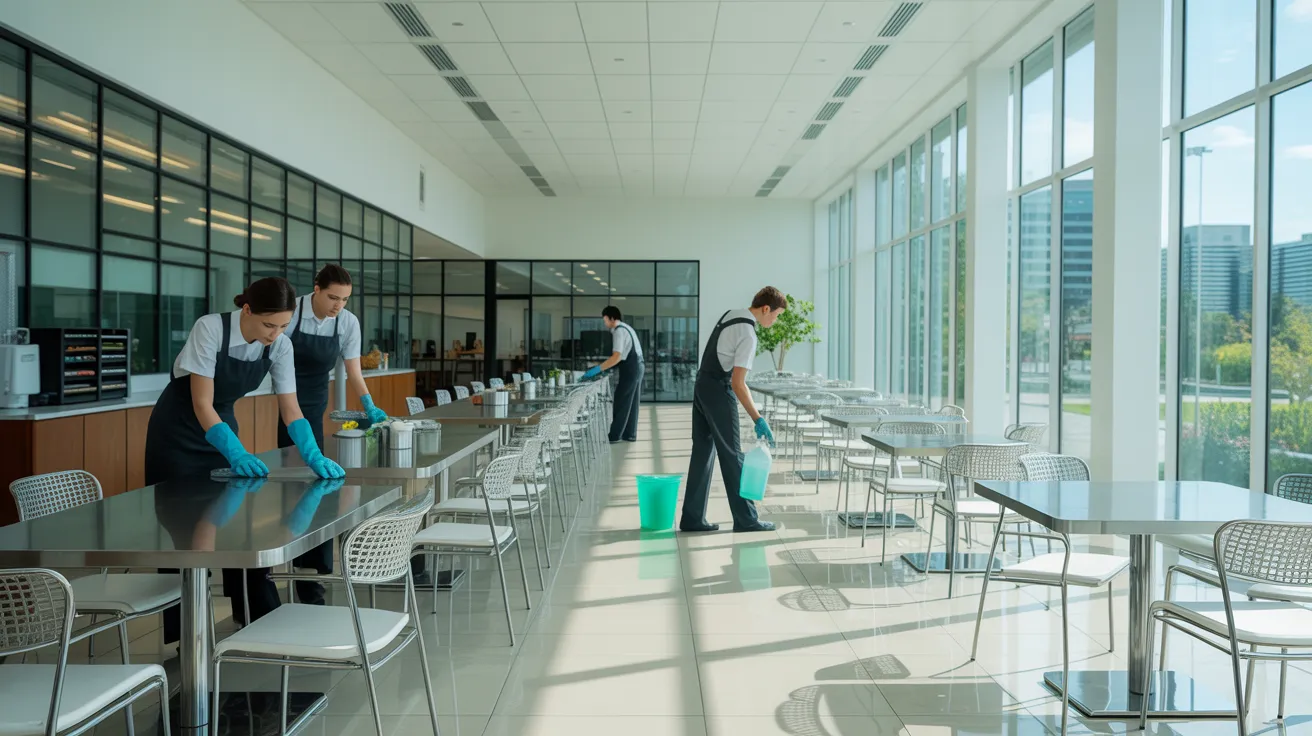
Professional food safety experts located in Brampton ensure restaurants, food distribution facilities, baking enterprises, warehouses, and mobile food units to sanitation standards. They disinfect frequently handled areas, food prep surfaces, equipment, floors, drains, restrooms, and preparation zones using approved sanitizers, at proper strength, and with verified times.
Important Highlights
- Sanitation specialists from Brampton support restaurants, grocery departments, commissaries, warehouses, bakeries, schools, mobile vendors, and allergen-sensitive operations.
- Cross-contamination avoidance is achieved by sanitizing high-touch surfaces, food-contact equipment, kitchens, floors, drains, restrooms, and storage areas with area-specific procedures.
- Qualified contractors confirm approved sanitizer dilution, suitability, and exposure duration, then file finalization with samples, inspections, and corrective-action records.
- Hygiene schedules ought to respect threat, throughput, format changes, spills, and regulations, with regular, recurring, and periodic duties allocated by location.
- Insurance, color-categorized instruments, hazard analysis knowledge, health regulatory understanding, WHMIS instruction, testimonials, and inspection-ready sanitation files are critical provider qualifications.
Brampton Establishments That Need Food Safety Cleaning: Which Ones?
Food safety cleaning is mandatory for any Brampton facility that manages, stores, prepares, packages, or distributes food. Apply it to your facility if it is subject to health oversight, food standards, or HACCP systems. This includes restaurants, cafeterias, commissaries, grocery food departments, butcher shops, seafood counters, convenience stores, and institutional kitchens.
You also need adherent sanitation protocols in warehouses, food manufacturing plants, cold storage sites, retail bakeries, school nutrition programs, banquet halls, and meal delivery hubs. Mobile and temporary operations count too, including catering vehicles, market vendors, and seasonal stalls. If your staff work with raw supplies, divide prepared foods, warm dishes, or organize allergen inventory, your facility needs recorded sanitation procedures. In Brampton, cleanliness isn't optional; it's part of lawful, functional, and customer safety adherence.
What Do Brampton Cleaning Professionals Handle?
You require experienced cleaning professionals who sanitize frequently touched areas, cooking areas, flooring, and restroom facilities to maintain food safety and public health requirements. These areas are targeted due to their high cross-contamination potential, slip and fall dangers, and regulatory breaches.
If you comprehend their cleaning services, you'll be able to confirm your facility meets required operational and regulatory standards.
Important High-Touch Surface Cleaning
structure disinfection timing determined by foot traffic, environmental hazards, and business activities.
confirm effective sanitization
Cooking Zones, Walking Surfaces, and Restroom Environments
Brampton cleaning professionals will handle kitchens, floors, and restrooms since each space presents different food safety concerns, injury, and community health challenges. In industrial kitchens, you need grease removal from cooking stations, appliance surfaces, drain systems, preparation areas, and backsplashes to minimize contamination and pest pressure.
Floor care that is documented should also be anticipated. Technicians scrub and extract buildup from tile grout, ceramic surfaces, and vinyl floors, then apply appropriate drying controls so you can reduce slip incidents and maintain code-compliant conditions. They also handle entryways where moisture and debris migrate indoors.
In restrooms, cleaners treat contact surfaces, bathroom hardware, partition walls, accessory dispensers, and receptacles then restock supplies and control odours. They also service restaurant moprooms, where chemical storage, sink hygiene, and drainage conditions can affect sanitation compliance and staff safety daily.
The Importance of Food Safety Cleaning in Brampton
Brampton businesses need to establish proper sanitation practices for satisfying legal standards and obtaining approval. You also reduce bacterial spread through proper cleaning of food-preparation surfaces, appliances, and frequently-touched items. Most importantly, you help protect community wellness by reducing the chance of food poisoning in your establishment.
Health Code Compliance
Since Brampton food operations must follow strict public health standards, your sanitation practices directly determines your capacity to satisfy health codes, protect diners, and prevent regulatory penalties. You must maintain sanitized food contact points, recorded sanitation plans, safe chemical management, and traceable training practices that align with municipal and provincial inspection expectations.
Preserving detailed hygiene logs demonstrates due diligence for compliance reviews and demonstrates that your operations are consistent, replicable, and tracked.
Cross-Contamination Prevention
Adhering to regulatory guidelines requires your expertise in stopping cross-contamination throughout daily food handling and cleaning. You need to isolate uncooked items from finished products, sanitize work stations after each task, and store cleaning supplies separately from food. Structured procedures reduce transfer risks and ensure consistent compliance during inspections.
You might establish allergen separation to prevent priority allergens from contacting common areas, containers, or machinery. Use dedicated cutting boards, color-coded tools, and strict utensil labeling so staff don't mix items throughout cooking or delivery. Enforce washing hands following raw meat, seafood, eggs, or allergen-containing products. Swap cleaning rags frequently, and check sanitizer strength with test strips. When you train staff to follow these controls every shift, you develop a more sanitary, secure business that meets Brampton's food safety expectations every day.
Public Health Safeguarding
When food safety cleaning weaken, you don't only face inspection setbacks—you raise the likelihood of foodborne illness affecting customers, staff, and the larger Brampton community. You also weaken your role in protecting public health, especially in high-traffic food premises where contamination can spread quickly through surfaces, equipment, and touchpoints.
You must establish cleaning procedures that eliminate soils, sanitize properly, and confirm effectiveness. This requires following contact periods, utilizing approved disinfectants, documenting procedures, and training employees to meet health-unit expectations. These mechanisms support pathogen reduction by limiting pathogens before contaminating food or surfaces. Across Brampton, effective sanitation safeguards vulnerable groups, reduces disease potential, and shows your diligence. When you maintain proper protocols, you exceed regulations—you substantially lower hazards and facilitate secure food handling city-wide.
Why Is Cleaning Essential for Food Safety Compliance?
Following rigorous cleaning routines enhances food safety compliance by reducing contamination risks, controlling pathogen growth, and keeping your facility aligned with sanitation requirements under HACCP-based programs and public health regulations. You ensure that contact surfaces are visibly clean and microbiologically controlled, enabling documented preventive controls and inspection readiness.
Systematic cleaning additionally solidifies allergen control by eliminating residues that can trigger undeclared allergen exposure. When you combine approved sanitation protocols with standards training, your staff can implement consistent approaches, handle approved chemicals appropriately, fill out documentation correctly, and handle variations before they escalate. Consistent cleaning supports traceability, verifies remediation efforts, and exhibits responsibility throughout audits. Additionally, it assists you safeguard product safety, copyright operational adherence, and lower the likelihood of regulatory actions, recalls, complaints, and preventable safety threats.
When Do You Schedule Commercial Cleaning?
Establish cleaning routines based on risk assessment, output volume, and regulatory standards versus relying solely on a fixed calendar. You should schedule standard cleaning daily
Schedule drains, vents, storage racks, and hard-to-reach equipment zones every week or monthly, relying on inspection data and sanitation records.
Selecting the Right Brampton Cleaning Experts: Key Considerations
Start by screening providers against food-safe sanitation requirements, not price alone. You should verify that each company understands CFIA, public health, and HACCP compliance standards relevant to your facility. Ask for insurance documentation, WHMIS compliance, documented staff training, and supervision practices. Review whether technicians understand contamination prevention, chemical handling, and traceable sanitation records.
You should further examine operational reliability and answerability. Request references from food facilities in Brampton, then review reply speed, corrective action plans, and communication standards. Validate the company supports supplier audits and can supply compliance documentation to regulators or third parties. Confirm equipment receives maintenance, colour-coded tools are applied correctly, and facility-specific risks are recognized. A experienced service ensures regulatory compliance, product integrity, and your reputation in the market.
What does a cleaning and sanitation plan encompass?
Write out a framework that defines every sanitation activity, guideline, and role before starting production. You should record cleaning frequencies, approved chemicals, dilution rates, contact times, tools, and verification methods for each area, surface, and device. Ensure you include pre-operational inspections, corrective actions, and employee training requirements.
Your plan should also focus on contamination prevention controls, waste handling procedures, pest management measures, and written schedules for restrooms, drains, floors, and food-contact areas. Describe how you'll keep raw and ready-to-eat processes separate, facilitate ingredient tracking, and ensure accurate allergen labeling through validated cleaning between product changes. You should set accountability, maintain signed records, and assess results against regulatory standards, HACCP controls, and customer requirements. When gaps appear, update procedures immediately and instruct staff.
Commonly Requested Inquiries
Do sanitation providers operate during overnight shifts at Brampton properties?
Yes, you can arrange cleaning services to accommodate nighttime operations in Brampton facilities. You'll MWAC organize overnight sanitation around production schedules, security protocols, and personnel needs. Services typically establish nighttime procedures to minimize disruption, stay compliant, and track completed work. You should confirm arrival schedules, management, access procedures, and waste management before starting service.
Can sanitation professionals manage hazardous incidents?
Yes, you can expect many Brampton cleaning experts to provide hazard containment solutions. They manage hazardous materials, assess risks, isolate affected areas, and begin swift cleanup to minimize risk and business interruption. You should confirm their response times, professional credentials, PPE protocols, and disposal procedures. If your facility must comply with industry standards, select a service that records events, follows compliant sanitation standards, and supports audit readiness.
Are green disinfectants suitable for food-handling equipment?
Yes, plant-based sanitizers can be safe for surfaces contacting food if you pick products labeled food safe and satisfying regulatory requirements. You should validate exposure duration, concentration levels, and rinse procedures before deployment. Many plant-derived products lower toxic chemical contact, but you require evidence of effectiveness against harmful bacteria. To maintain residue free surfaces, you need to follow manufacturer directions precisely and ensure the disinfecting agent satisfies applicable food industry sanitation standards.
Do cleaning schedules allow for seasonal production changes?
Yes, you can adjust sanitation programs for seasonal shifts. You should modify schedules, labor allocation, sanitizers, and verification steps to fit seasonal patterns while maintaining compliance standards. You'll decrease operational delays by organizing disinfection around equipment transitions, peak volumes, and usage cycles. You should additionally update procedural documents, training, and monitoring protocols to capture seasonal hazards, emerging allergens, or increased soiling. Ongoing evaluations ensure your program efficient.
Do commercial cleaning providers coach staff members in proper hygiene techniques?
Indeed, commercial cleaning providers often offer staff training on proper hygiene. Your staff obtains training on safe chemical application, contact times, cross-contamination prevention, equipment disassembly, and documentation. They generally adhere to instruction with HACCP, GMP, and CFIA or regional health standards criteria. Many also execute compliance inspections to confirm standards, reveal issues, and strengthen improvement measures. This assists you to maintain consistent procedures, achieve compliance, and reduce food safety risks each day.
Summary
By partnering with Brampton commercial cleaning and food safety experts, you aren't simply tidying—you maintain your facility inspection-ready and your practices in compliance. From production areas to kitchen zones, every sanitized surface and maintained corner reduces pest risk and avoids expensive losses. By arranging service at appropriate intervals and adhering to a systematic cleaning protocol, you protect your team, clients, and your credibility. In a strictly regulated industry, clean spaces are mandatory—they're key to business compliance.